One website, two seasons: what Deep Creek Lake businesses need online in 2027
Partner Content. This article was written by or for a partner and reviewed by our editors. It is not part of our news coverage.

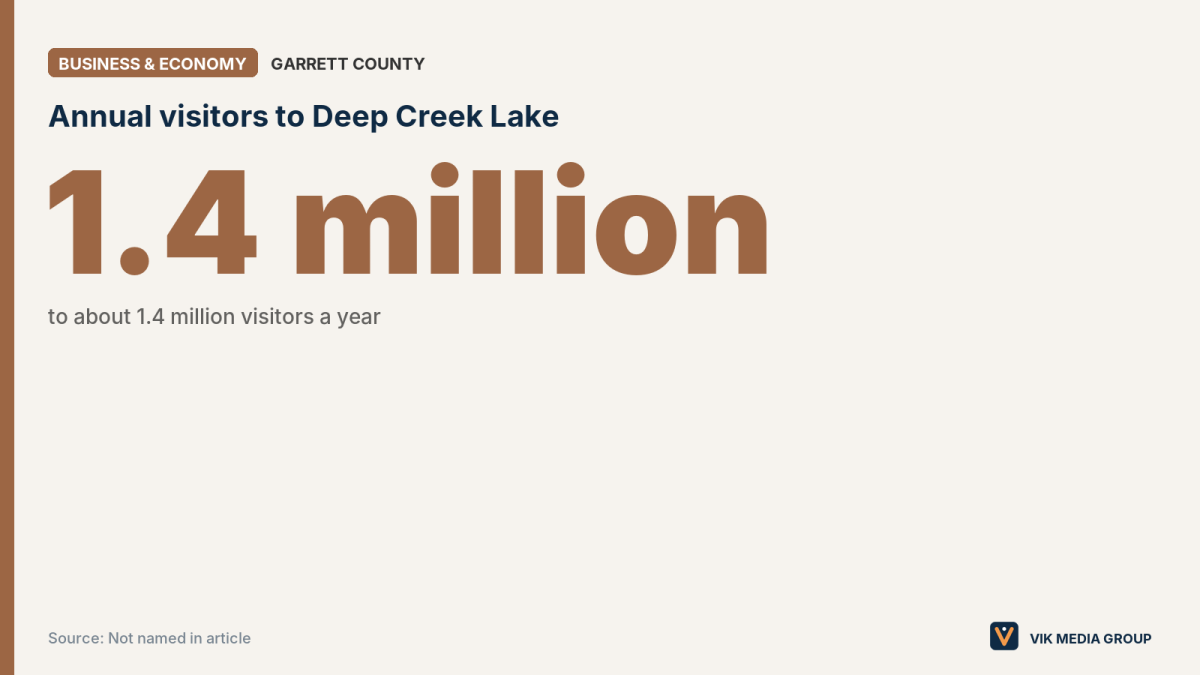
Garrett County welcomes about 1.4 million visitors a year, according to the county’s business office, and they come for two very different trips: boats, swimming and lakeside dinners in summer; skiing, snow tubing and fireplaces in winter. Most of them drive in from the Washington and Baltimore areas, the top origins for overnight trips in Maryland, according to the state’s fiscal 2026 marketing plan. And before they get in the car, they check you out online.
At _luma, the gaps we see in mountain and lake-town websites are a little different from beach towns. Here’s what matters most.
A website that changes with the season
The gap: a homepage with summer boat photos in February, or a ski page still up in July.
The fix: plan two faces for your site, summer and winter, and switch on a schedule. Each season gets its own landing page with what’s open, what it costs and how to book. Shoulder seasons, like fall foliage weekends, deserve their own page too.
Built for weak signal
The gap: pages that need a strong connection to load, viewed on a mountain road with one bar.
The fix: keep pages light. Compress photos, drop autoplay video and test your site with Google’s free PageSpeed Insights. Put your phone number and address in plain text so they show even if the rest is still loading.
Answers before the drive
The gap: visitors calling to ask things the site should say.
The fix: answer the mountain questions up front: Do I need four-wheel drive? Is there parking for a trailer? Are you open on weekdays in winter? Do you rent gear? Every answered question is a call you don’t have to take and a booking you don’t lose.
Booking that works at night
The gap: “Call during business hours to reserve.”
The fix: let people book cabins, lessons, rentals or tables online, or at least send a request that gets an instant confirmation. Weekend trips are often planned on weeknights.
Honest prices and real photos
The gap: cleaning and service fees that appear only at checkout, and stock photos of someone else’s lake.
The fix: show the full price. For lodging, the Federal Trade Commission has required it since May 12, 2025, under its rule on unfair or deceptive fees. Use your own photos, in both seasons, and make reviews easy to find.
Easy for everyone, including AI
Clear contrast, readable text and alt text on images help every visitor. They also help AI tools. More travelers now ask ChatGPT or Google’s AI Mode where to stay or eat. Getting named in those answers is called GEO, or generative engine optimization, and it starts with a site that states the facts in plain text. Google says its AI features rely on the same fundamentals as regular search, per its guidance for site owners.
Rebuild or repair?
If your site can’t switch seasons without a developer, breaks on a phone or runs on an aging platform, a clean rebuild is often the faster and cheaper fix.
See how your site stacks up
Try _luma’s free website analyzer to see how your site looks, what to improve and what it could become. Questions? Email [email protected].
More Business Services guides and local services ›
Live in the Deep Creek? Write for us as a Community Contributor and share what you see in your town.
Questions and answers
- Should a Deep Creek Lake business have separate summer and winter pages?
- Yes. Summer and winter visitors want different things, so each season should have its own page with current hours, prices and booking.
- How do I make my site work with weak cell signal?
- Keep pages light, compress images, avoid autoplay video and put your phone number and address in plain text.
- What should a cabin rental website show first?
- The full price, real photos, availability and a clear way to book, along with practical details like parking and winter road access.